
Searches for “solar farm lease income landowner”, “how to lease land for solar UK”, and “solar panels on agricultural land income” have increased significantly as farmers and estate owners explore new ways to generate income from land.
Renewable energy projects have become one of the fastest-growing diversification options for rural land. In particular, solar energy developments are increasingly common across England.
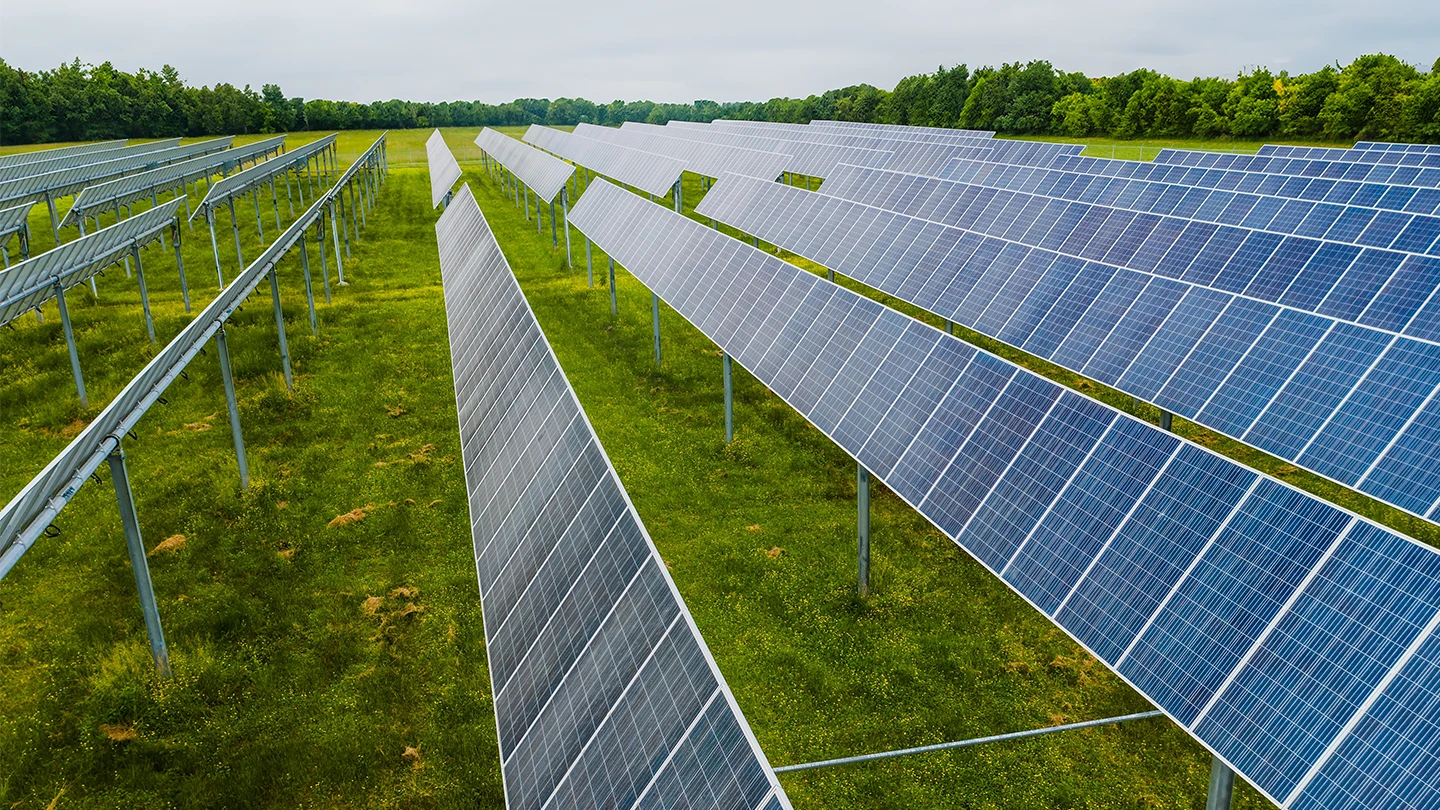
According to the UK Department for Environment, Food & Rural Affairs, renewable energy generation is now one of the most common forms of farm diversification. Government statistics show that around 27% of farm businesses generate solar energy, making it the second most common diversified activity after letting buildings.
Source: DEFRA Farm Business Survey.
For landowners with suitable land and grid access, leasing land to a solar developer can provide a long-term income stream. However, the opportunity depends heavily on site conditions and planning constraints.
How solar farm land leases work
Most farmers and landowners do not build solar farms themselves. Instead, they typically lease land to a renewable energy developer.
The developer usually handles:
- Planning permission
- Grid connection
- Construction
- Financing
- Operation of the solar farm
In return, the landowner receives an agreed rental income for the duration of the lease.
Solar leases typically last 25 to 40 years, depending on the project and planning consent.
How much can landowners earn from a solar farm lease?
One of the most common questions people search for is “how much can I earn from a solar farm on my land?”
Income varies significantly depending on location, grid capacity and developer agreements. However, industry guidance often reports typical lease payments ranging between:
- £800 and £2,000 per acre per year
Some agreements also include revenue-sharing models where the landowner receives a percentage of electricity income in addition to base rent.
Source: Renewable energy land lease guidance referenced by industry advisers and rural property consultants.
Actual income depends on several factors:
- Distance to grid connection
- Solar irradiation levels
- Scale of the development
- Developer competition for the site
For this reason, landowners usually obtain independent legal and valuation advice before signing agreements.
Land requirements for solar farms
Developers searching for land for solar farms typically look for sites with specific characteristics.
Grid connection access
A viable connection to the electricity grid is often the most important factor.
If grid capacity is limited or far away, connection costs can make projects unviable.
Suitable land topography
Solar developments usually work best on:
- Relatively flat or gently sloping land
- South-facing fields
- Areas without excessive shadin
Field size
Commercial solar farms often require 20 to 100 acres or more, although smaller sites are sometimes developed.
Planning compatibility
Planning authorities also consider:
- Landscape impact
- Agricultural land classification
- Visual impact on nearby communities
- Biodiversity and environmental factors
Planning permission for solar farms
Solar farms normally require full planning permission from the local planning authority.
The planning process can involve several technical assessments, including:
- Landscape and visual impact studies
- Ecological surveys
- Glint and glare assessments
- Flood risk assessments
- Agricultural land classification reviews
Developers typically manage these applications themselves once they have secured a land option agreement.
What is an option agreement?
Before committing to a solar farm, developers often sign an option agreement with the landowner.
An option agreement gives the developer the right, but not the obligation, to lease the land if planning permission is granted. During the option period, the developer may carry out surveys, planning applications and grid connection work.
If the project receives approval, the agreement converts into a long-term lease.
Option periods can sometimes last several years depending on planning and grid connection timelines.
Environmental considerations
Solar farms are sometimes designed to include biodiversity improvements.
Developers may introduce:
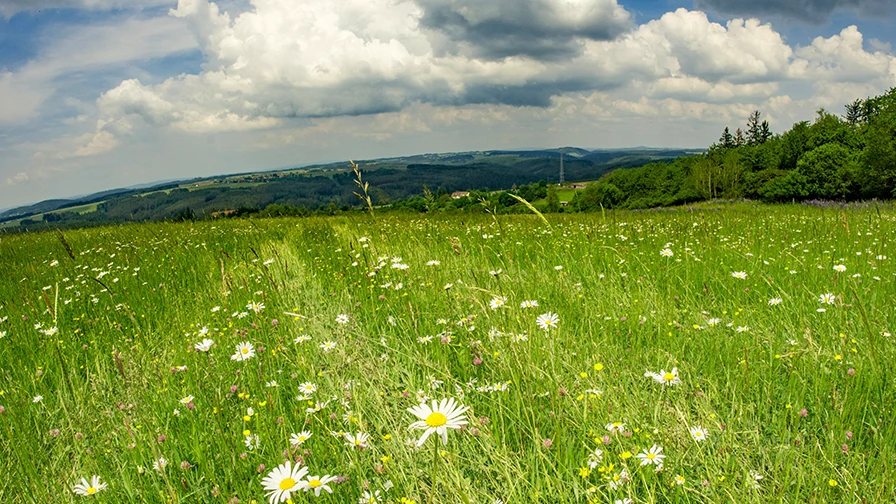
- Wildflower meadows
- Habitat creation
- Sheep grazing between panels
These measures can support environmental objectives alongside energy generation.
Solar energy also plays an important role in the UK’s transition toward lower-carbon electricity generation, according to the UK Department for Energy Security and Net Zero.
When solar leasing may not be suitable
Despite the potential income, not all land is suitable for solar development.
Common limitations include:
- Lack of nearby grid capacity
- Highly productive agricultural land classifications
- Strong local planning restrictions
- Landscape sensitivity or heritage constraints
Because of these factors, early feasibility analysis is usually necessary before pursuing agreements with developers.
Exploring renewable energy opportunities on your land
Solar energy is only one of several infrastructure opportunities available to rural landowners. Other options sometimes explored include:
- Battery energy storage systems (BESS)
- Wind turbine leases
- Telecoms infrastructure
- EV charging sites
At Spruce Architecture we often help landowners understand whether their land may be suitable for development opportunities such as renewable energy infrastructure.
If you are exploring solar farm lease income or considering how to generate income from agricultural land, an early site review can help identify whether renewable energy development might be realistic and what planning constraints may apply.
A conversation at the early stage can help landowners understand their options before entering negotiations with developers.
You can arrange a meeting with our team to discuss the potential of your site and the options worth exploring further, enquire today.