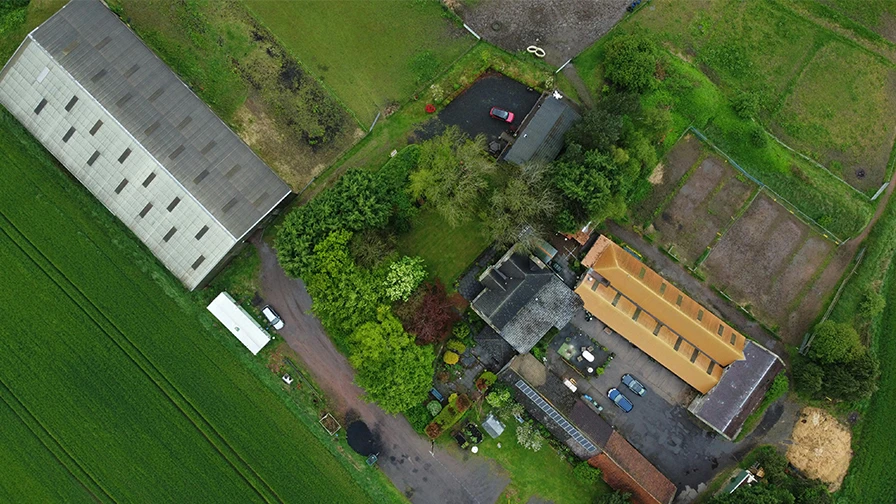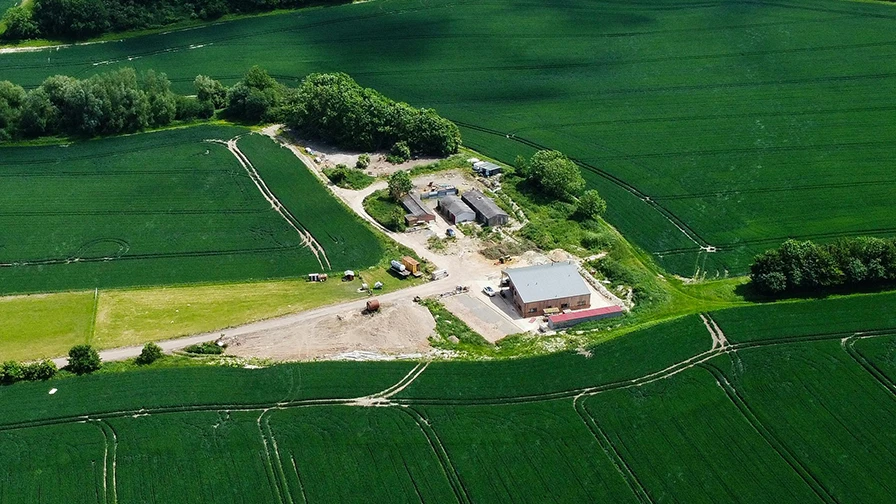
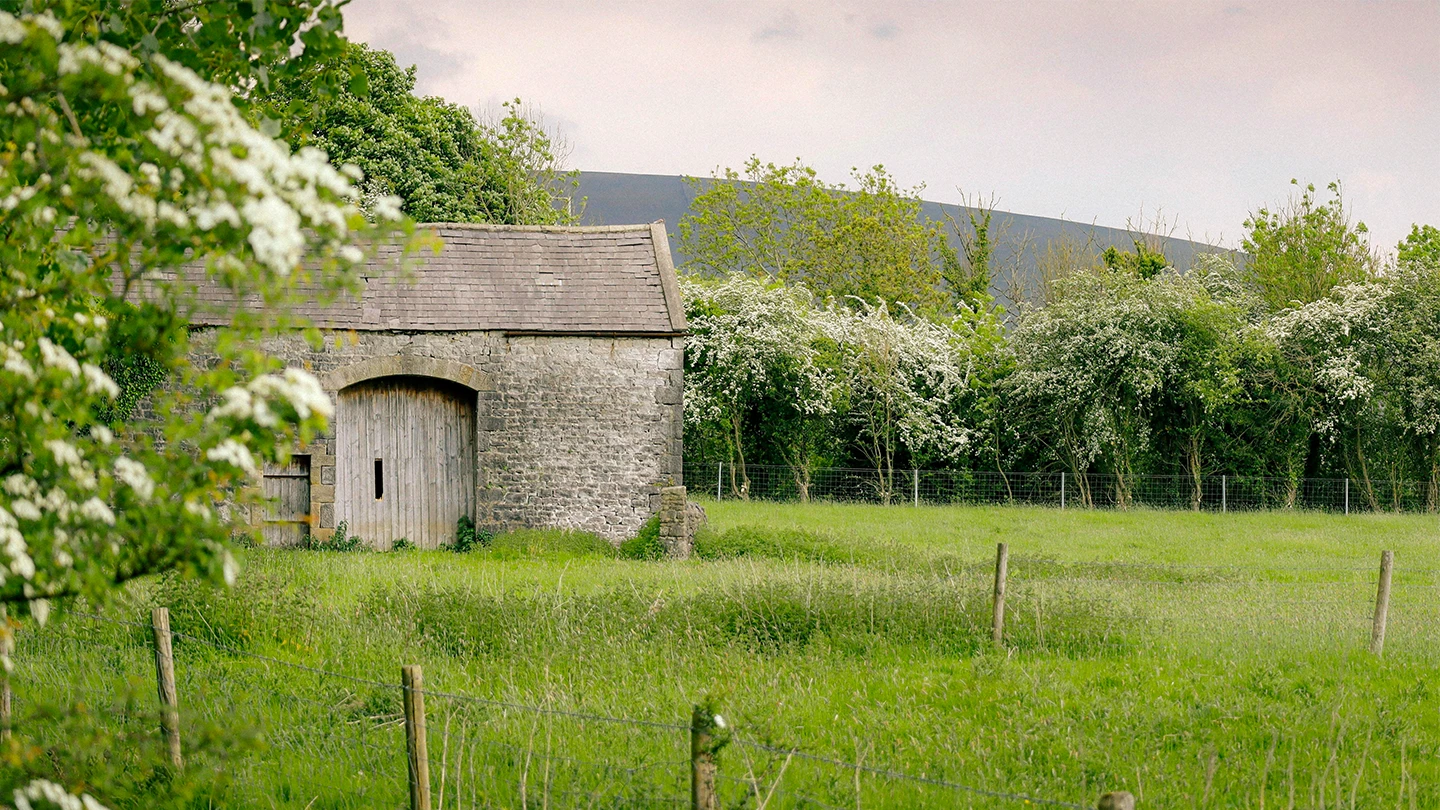

Across the UK, many farms and rural estates have buildings that are no longer used for their original purpose. Old barns, livestock sheds and storage buildings often sit empty while still requiring maintenance and insurance.
At the same time, rural businesses are under pressure to create new income streams. Diversification has become increasingly common as landowners look for ways to make better use of existing assets.
According to the UK government’s Farm Business Survey, around half of farm businesses in England now earn income by letting out buildings or property, making it the most common diversification activity. The same survey reports an average additional income of about £27,900 per year from diversified activities related to buildings and property.
Source: UK Department for Environment, Food & Rural Affairs, Farm Business Survey.
For many landowners, redundant buildings are one of the most practical starting points for diversification. The structure already exists, the land is already owned, and the project may require less planning complexity than new development.
Below are several ways redundant farm buildings are commonly converted into income generating assets.
1. Rural offices or workspaces
Demand for rural office space has increased as more people work remotely or run small businesses outside major cities. Barns can often be converted into:
- Small office suites
- Co working spaces
- Studios for designers or craftspeople
- Consulting rooms
Businesses often prefer countryside locations with parking, lower rents and quieter surroundings. These conversions typically require good access, broadband connectivity and adequate parking.
2. Self storage units
Self storage has grown steadily in the UK as households and businesses need extra storage space. Farm buildings can be adapted to provide:
- Lock up storage units
- Container storage compounds
- Vehicle or caravan storage
Storage businesses often require relatively low staffing and can work well near towns or commuter routes. Many farms combine indoor storage within barns with outdoor container units on hardstanding.
3. Holiday accommodation
Barn conversions are widely used for holiday cottages and short stay accommodation.
Examples include:
- Self catering holiday cottages
- Farm stay accommodation
- Boutique countryside retreats
Demand tends to be strongest in areas with attractive landscapes, coastal access or nearby tourist destinations. Holiday lets can generate strong income but they also involve higher operating costs and active management.
4. Wedding and events venues
Large agricultural barns can provide attractive settings for weddings and private events. Some estates have successfully converted buildings into venues used for:
- Weddings
- Corporate events
- Workshops or training events
- Private celebrations
Event venues often require investment in facilities such as kitchens, toilets, parking and landscaping. Local planning policy and access arrangements also play an important role.
5. Commercial workshops
Many small businesses need workshop space for manufacturing, repairs or craft production. Converted barns can provide premises for:
- Joinery workshops
- Vehicle repair businesses
- Artisan manufacturing
- Small scale distribution
This type of use can work particularly well on farms located near towns or industrial areas where commercial rents are high.
6.Farm shops or food businesses
Some farms convert existing buildings into retail or food businesses that connect directly with consumers. Examples include:
- Farm shops
- Cafés
- Small restaurants
- Local produce markets
These projects usually depend on good road access and a steady flow of visitors.
In areas with strong local food culture, they can also help strengthen the brand of the farm or estate.
7. Fitness studios or community space
Rural communities often lack space for activities such as fitness classes, yoga studios or small community events. Converted buildings can be used for:
- Yoga or pilates studios
- Personal training gyms
- Community halls
- Arts and crafts workshops
These uses tend to work best in locations close to villages or small towns.
8. Film and photography locations
Unique rural buildings can sometimes be hired as filming locations for television, advertising or photography. Production companies regularly search for barns, farmyards and countryside settings. Income varies depending on the size of the production and the time required for filming. Some landowners register their property with specialist location agencies.
9. Rural business hubs
Some larger estates have created clusters of small businesses within converted farm buildings. These rural business hubs may include a mixture of:
- Offices
- Workshops
- Studios
- Shared meeting spaces
The variety of businesses can create a small local economy that supports long term occupancy.
Understanding planning permission
Before converting agricultural buildings, it is important to understand the relevant planning framework. In England, some conversions may fall under permitted development rights. Two commonly referenced routes include:
Class Q. Allows the conversion of agricultural buildings to residential use under certain conditions.
Class R. Allows agricultural buildings to change to flexible commercial uses such as offices, storage or light industrial space.
These permitted development rights have specific rules about building age, structural condition, floor area and previous agricultural use. Not every building qualifies, and local planning authorities still review applications.
Source: UK government permitted development rights guidance for agricultural buildings.
Other factors to consider
Successful building conversions usually depend on several practical factors.
Access and parking. Road access must be suitable for visitors, tenants or deliveries.
Services and utilities. Water, electricity, drainage and broadband may need upgrading.
Building condition. Some agricultural buildings require structural work before conversion.
Local demand. A use that works well in one area may struggle in another.
Construction costs. Renovating older buildings can sometimes cost more than expected.
Starting with the right idea
Redundant farm buildings can provide valuable opportunities, but the most successful projects start with a clear understanding of what the site can realistically support. Many landowners begin with a simple idea. A barn that could become holiday accommodation, storage units or workspace.
The next step is usually to review planning policy, access, infrastructure and likely development costs before moving into design work.
Exploring the potential of your buildings
At Spruce Architecture we regularly work with farmers, landowners and estate managers who are looking at ways to bring unused buildings back into productive use. This might involve reviewing a single barn conversion or exploring several diversification options across an estate.
If you have a building you are considering converting, an early conversation can often help clarify what may be realistic and what challenges may need to be addressed.
You can arrange a meeting with our team to discuss the potential of your site and the options worth exploring further, enquire today.